
Before You Jump In: Why Contact Lenses and Natural Water Don’t Always Mix
We love exploring wild rivers, lakes and coastlines — but even the clearest water has an invisible world of its own. Discover why contact lenses and natural water don’t always mix, and how a little knowledge can help us enjoy our adventures safely.
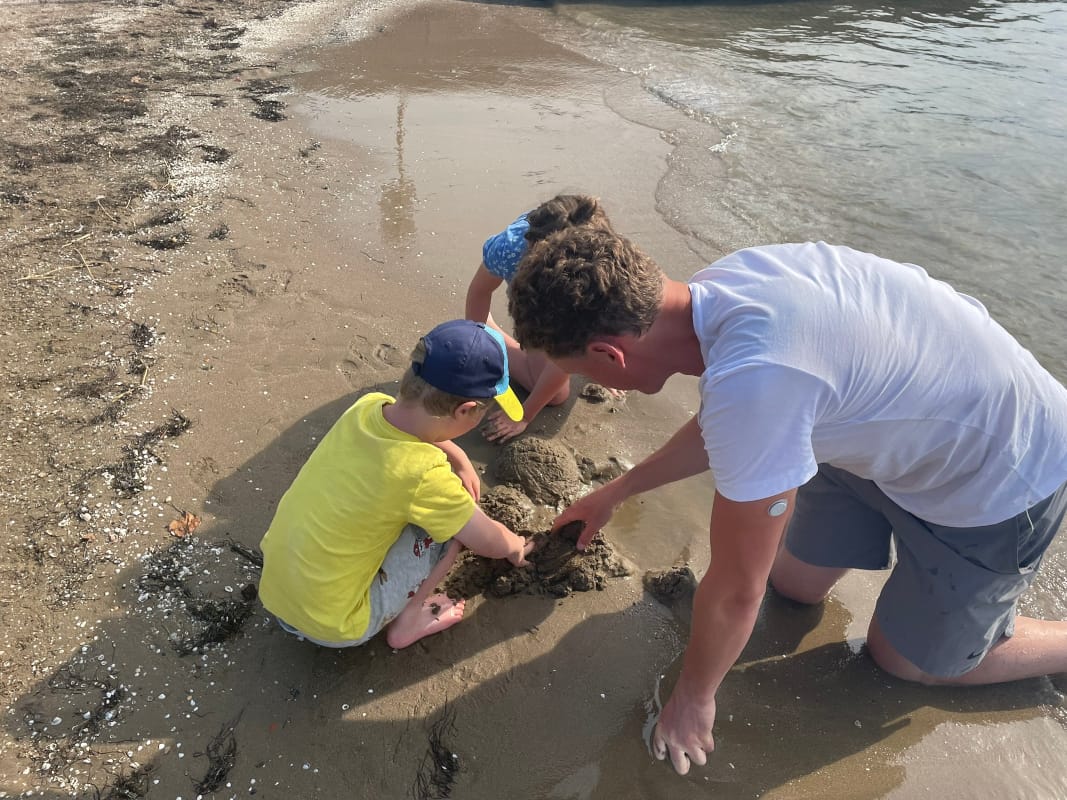
There are some things you start noticing differently once you look at the world through a scientific lens. While many people standing at a crystal-clear mountain lake are thinking “How cold is this water going to be?”, I sometimes find myself wondering: “What tiny creatures are sharing this beautiful place with us?”
Don’t worry — that doesn’t stop me from jumping in. Quite the opposite. Exploring rivers, lakes, waterfalls and oceans is one of the reasons we love travelling and overlanding. For me, water is one of the most fascinating parts of our planet. But as a hydrogeologist, I also know one simple truth: Water is never just water. It is a living environment. And sometimes, that matters.
The invisible world in every drop
Natural water is never completely sterile. Lakes, rivers, springs and even seemingly untouched mountain streams contain countless microorganisms. Most of them are harmless, many are essential parts of healthy ecosystems, and they are a fascinating reminder of how complex our planet is.
This invisible world is also something we think about when it comes to drinking water on the road. During our travels, we have learned that beautiful, clear water is not always the same as safe water — which is why we built our own overlanding water filter system.
Among these countless microscopic inhabitants, there is one organism that contact lens wearers should know about: Acanthamoeba.
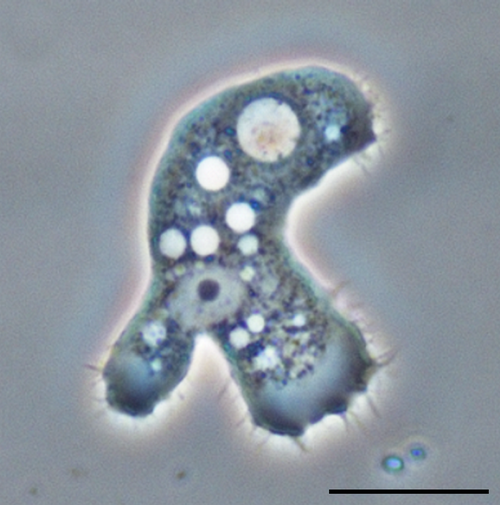
But what exactly is an amoeba? Amoebae are tiny, single-celled organisms that live in many environments around the world, including water and soil. They are part of the hidden microbial ecosystem of our planet — a world that is invisible to us, but incredibly diverse.
Acanthamoeba can be found all over the world — in freshwater, soil, dust and occasionally in treated water systems. Most of the time, it simply lives its quiet little life without causing any trouble. The problem begins when it comes into contact with the human eye, especially when contact lenses are involved.
Why contact lenses can increase the risk
A contact lens sits directly on the surface of the eye. When water gets trapped between the lens and the cornea, microorganisms can become trapped as well. Small, invisible scratches or irritation of the cornea can make it easier for organisms such as Acanthamoeba to enter.
In rare cases, this can lead to Acanthamoeba-Keratitis — a serious eye infection that can be extremely painful and difficult to treat. Although rare, cases continue to be reported worldwide. It’s a common misconception that well-chlorinated swimming pools are completely safe. While chlorine kills most common bacteria, Acanthamoeba is remarkably resilient and can survive standard pool treatments. This means that even a quick dip in a hotel pool carries a similar, albeit low risk for contact lens wearers.
The good news? The simple preventive steps are easy to follow.
“But I’ve been swimming with lenses for years…”
This is something many people say — and it’s true: plenty of people have worn contact lenses while swimming and never experienced a problem.
The risk is low. But low risk does not mean no risk.
Think of it like many other small precautions we take while travelling. We wear seatbelts, we check our gear before a long trip, and we protect our skin from the sun. Not because something bad happens every time — but because a small habit can prevent a much bigger problem.
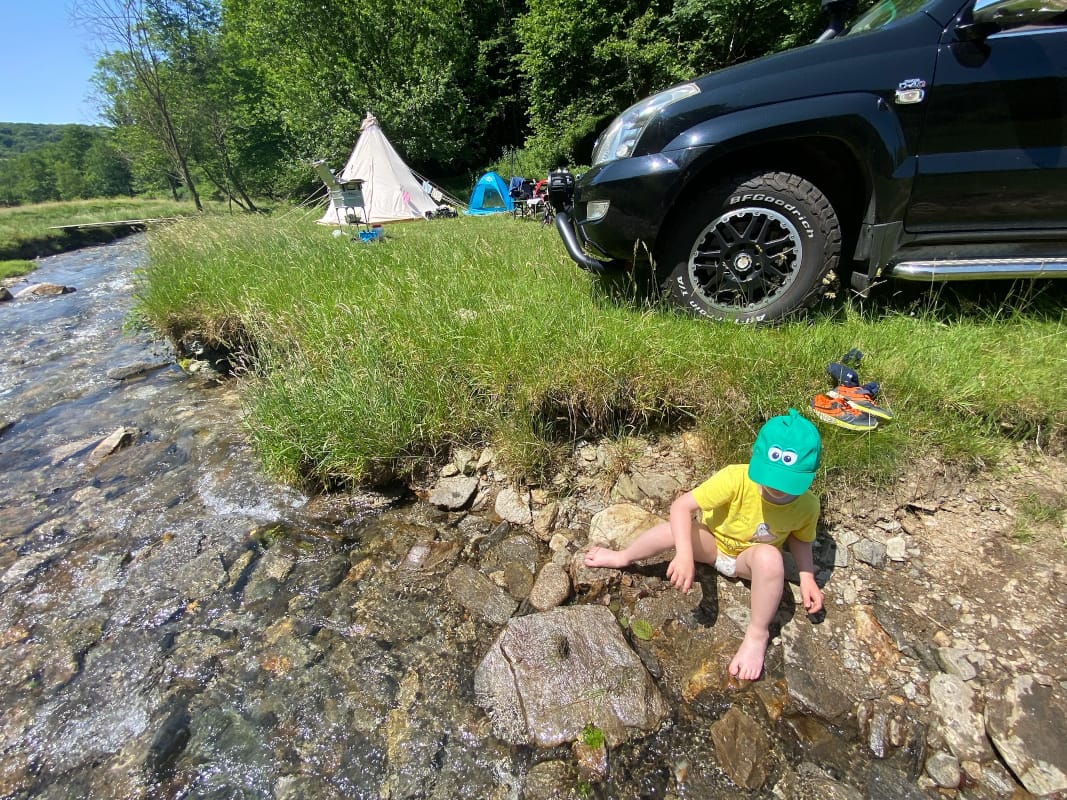
Learning from the places we explore...
A lesson from travelling with kids
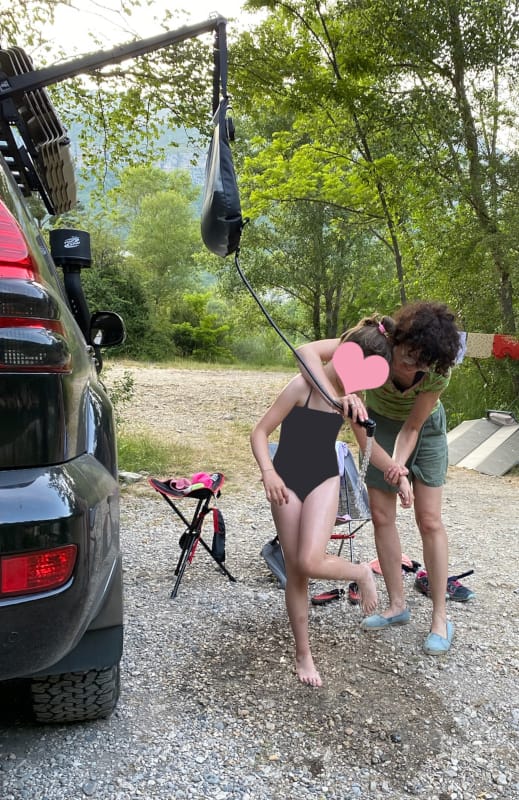
Travelling with children has a funny way of changing your perspective. You stop worrying about muddy clothes, wet shoes or the fact that everyone has sand in places where sand really shouldn’t be. Adventure means getting dirty. Adventure means getting wet.
But there are also a few simple choices that make outdoor experiences safer and more relaxed.
Taking contact lenses out before swimming is one of those tiny habits that takes seconds but can protect something incredibly precious: your eyesight.
Our simple water rule for outdoor adventures
If you or someone in your family wears contact lenses:
- 💧Take them out before swimming in lakes, rivers, the ocean or pools whenever possible.
- 🥽 If contact lenses are unavoidable during water activities, use well-fitting swimming goggles or a diving mask.
- 🚱 Never rinse or store contact lenses with tap water.
- 🗑️ Discard daily lenses after accidental water exposure, or follow the manufacturer’s cleaning instructions for reusable lenses.
No panic. No fear. Just a little bit of knowledge.
The important thing to remember: Acanthamoeba infections are rare. The goal is not to fear natural water — it is simply to make informed choices when we interact with it.
Keep exploring — just keep your eyes happy
The beauty of overlanding is that it brings us closer to nature. We swim in wild places, collect memories in remote corners of the world and let our children experience the planet beyond screens and classrooms.
Understanding nature doesn’t mean avoiding it. It means respecting it.
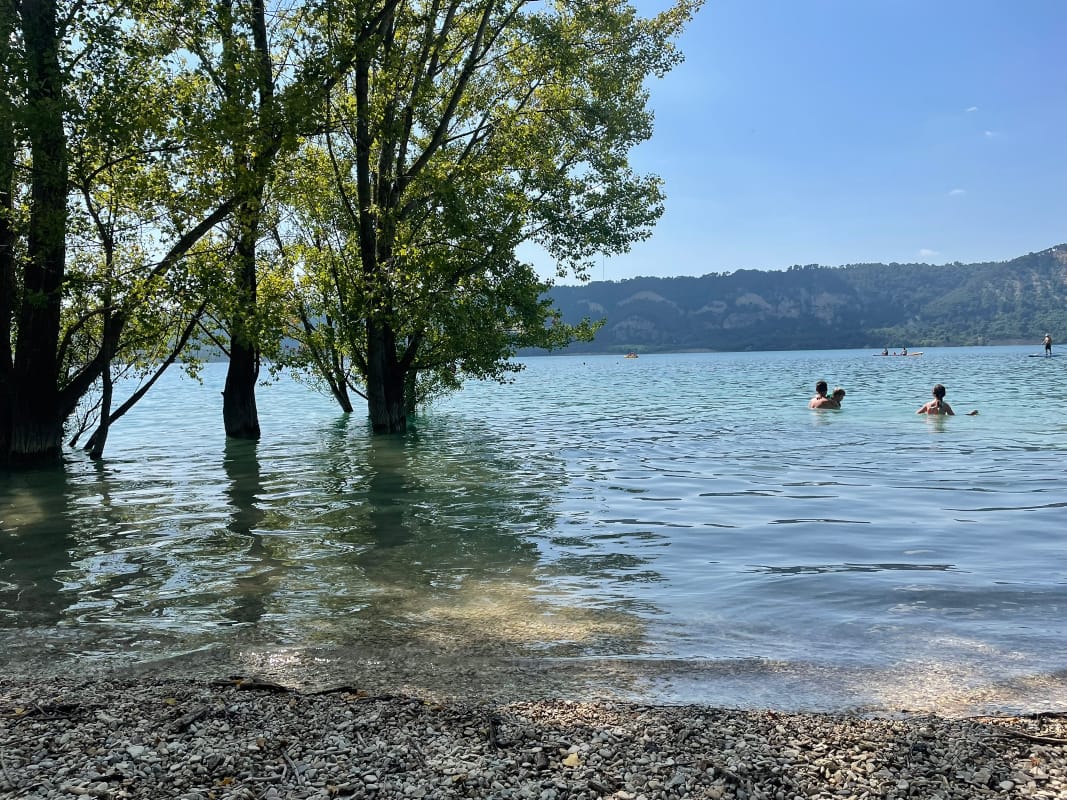
So next time you stand beside a perfect turquoise lake, ready for a refreshing swim, enjoy the moment. Just remember: before you jump in, your contact lenses might prefer to enjoy the view from dry land.
Curious to dive deeper into the invisible world of water?
 Sebastian Weiß
 Sebastian Weiß
The microscopic image of Acanthamoeba used in this article was published by Jacob Lorenzo-Morales and is available via Wikimedia Commons under a Creative Commons license. For those who want to dive deeper into the science behind this tiny inhabitant of the aquatic world, Lorenzo-Morales and colleagues provide a detailed review of Acanthamoeba keratitis, including its diagnosis, pathogenesis and treatment:
Literature Sources
Lorenzo-Morales J., Khan N.A. & Walochnik J. (2015). An update on Acanthamoeba keratitis: diagnosis, pathogenesis and treatment. Parasite, 22, 10. Read the scientific review (open access) - DOI: 10.1051/parasite/2015010.
The science behind Acanthamoeba and contact lens safety is also explained by the CDC in their overview of Acanthamoeba infections and prevention:
 CDC
CDC
Have you ever discovered something unexpected while exploring nature?
From hidden ecosystems to unforgettable family moments, every adventure teaches us something new. We’d love to hear what you’ve learned along the way.
Share your story with us and keep exploring.
Leave a comment below or leave us a message!